


Locs by Simone
Tottenham, London
Locking methods: Crochet, Interlocking, Palm rolling, Two-strand twists
Also offers: Consultations, Kids' locs
Type: Home studio
A retwist — sometimes called maintenance or root maintenance — is the regular appointment that keeps locs looking neat at the roots. As new hair grows, the root area becomes loose and frizzy; a retwist re-locks this growth into the existing loc.
For most loc-wearers, retwists are the most frequent appointment of the loc journey, returning every 4–8 weeks for the first few years and less often after locs have fully matured.
A retwist is the maintenance technique used to lock new growth at the roots of existing locs. It’s the difference between locs that look polished and locs that look unfinished — the visible neatness of mature locs is largely the result of consistent retwists over time.
There are two main retwist methods used by UK locticians:
Palm rolling – the loctician applies a small amount of product to the new growth and rolls each loc between their palms, encouraging the loose hair to wrap around itself and lock back into the loc. Faster and gentler on the hair than interlocking, but the lock is less permanent and can loosen with washing.
Interlocking – using a small tool, the loctician pulls each loc through its own base, threading the new growth into the existing loc. More time-consuming but produces a more permanent lock that holds through washing and physical activity.
Many locticians use one method exclusively; others switch between methods depending on the loc’s stage and the client’s preference. Both produce excellent results when done properly, and neither is universally “better” — the right method depends on your hair, your loctician’s training, and what you want from your locs.
A retwist appointment usually includes a wash before the retwist itself, plus styling at the end.
Retwist prices in the UK typically range from £40 to £150, depending on:
Common price ranges for a loc retwist in the UK:
Booking a retwist with a new loctician for the first time often takes longer (and costs slightly more) because they’re learning your hair.
Anyone with locs needs retwists – there’s no loc journey without ongoing maintenance. The question is how often, not whether.
For starter locs (first year): retwists every 4–6 weeks help establish the parting pattern and encourage locking.
For budding locs (6–18 months): retwists every 4–8 weeks, balance neatness with letting locs lock naturally.
For mature locs (2+ years): many people stretch retwists to every 6–12 weeks, or only retwist before special occasions. Mature locs don’t strictly need retwists to stay locked, but the root area looks neater with maintenance.
For microlocs and sister locs: retwist intervals are typically 4–6 weeks regardless of stage, because the finer locs reveal new growth more visibly.
If you’re between locticians, getting your hair washed and retwisted by someone new is a common time to assess fit. A new loctician will spend more time on the first appointment learning your loc pattern.


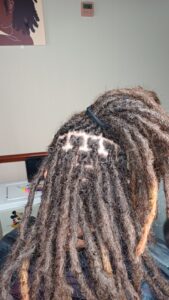
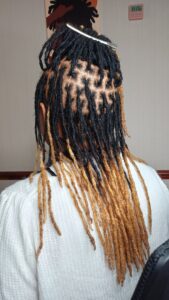

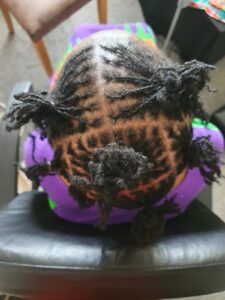




A retwist appointment usually takes 1.5–4 hours depending on loc count, length, and method.
Wash and clarify. Most retwist appointments start with a residue-free shampoo wash to remove buildup and prep the locs for retwisting. Some locticians use a clarifying wash every few months to deep-clean.
Towel-dry and section. Locs are dried enough to retwist (usually towel-dried, not blow-dried) and the head is sectioned according to your existing parting pattern.
The retwist. Each loc is retwisted using palm rolling or interlocking, working through the head section by section. This is the longest part of the appointment.
Drying. Some locticians prefer to dry locs fully under a hood dryer after retwisting, which sets the new locks. Others let locs air-dry. The choice depends on the products used and your loctician’s preference.
Styling. Optional styling at the end — pipe cleaners, a roller set, a simple updo, or just left loose. Some locticians include basic styling in the price; more elaborate styling costs extra.
You’ll leave with neat, freshly maintained locs and an idea of when to come back.
Get found by clients actively searching for what you do.