


Locs by Simone
Tottenham, London
Locking methods: Crochet, Interlocking, Palm rolling, Two-strand twists
Also offers: Consultations, Kids' locs
Type: Home studio
Starter locs are the beginning of a loc journey — the first installation that sets the size, parting, and shape your locs will eventually take. The method your loctician uses now affects how your locs mature over the next 18–24 months, so the decisions made at this appointment matter more than people realise.
Whether you’re going for traditional locs, microlocs, or sisterlocks, the starter appointment is where your loc journey gets its foundation. Choosing the right method and the right loctician for your hair texture and lifestyle is one of the most important steps you’ll take.
Starter locs is the term for the initial installation of locs into previously loose hair. There’s no single “correct” method — locticians use a range of techniques, each suited to different hair textures, density, and the loc style you’re aiming for.
The most common starter methods in the UK are:
Comb coils – small sections of hair are coiled tightly with a fine-toothed comb, creating a defined spiral shape that locks over time. Best suited to type 4 hair textures with strong natural coil patterns. Comb coils typically begin to lock within 3–6 months.
Two-strand twists – sections of hair are divided in two and twisted around each other. A versatile method that works across a range of textures and produces locs with a slightly thicker, more rope-like appearance once mature.
Braids (or starter braids) – small box braids that gradually lock at the roots and grow into mature locs. Often chosen by people with looser textures because the braid structure holds shape for longer during the budding phase.
Interlocking – using a tool to pull each loc through itself at the root. Produces neater, more uniform locs from day one and is the foundation method for sisterlocks. Suited to all textures but requires more time and skill from the loctician.
Palm rolling – small sections rolled between the palms to encourage matting. Often used as a maintenance technique alongside other starter methods rather than as a standalone install.
A consultation with your loc specialist is the right starting point. They’ll assess your hair texture, density, scalp condition, and the loc style you’re aiming for, then recommend a method.
Starter loc appointments range from £120 to £400+ depending on hair length, density, the method used, and whether you’re getting traditional locs or finer styles like microlocs.
Common UK pricing for starter locs:
Mobile and home-studio specialists often sit at the lower end of these ranges; established salon-based locticians and specialists with strong portfolios charge more.
The appointment itself typically takes 4–8 hours for traditional locs and 8–24 hours (sometimes split across multiple sessions) for microlocs or sisterlocks.
Cheaper isn’t always better at this stage. The starter install determines the foundation of locs you’ll have for years, so paying more for an experienced loctician you trust is usually the right decision.
Starter locs are for anyone beginning their loc journey, whether that’s their first set ever or a return after a previous loc journey ended.
The key considerations when deciding whether you’re ready:
Hair length. Most locticians recommend a minimum of around 4–6 inches of hair for a successful starter install, depending on texture. Tighter coil patterns can start with shorter hair; looser textures usually need more length to hold the starter shape.
Hair texture. All textures can be locked, but some methods suit some textures better than others. A consultation matters more than picking a method based on what you’ve seen online.
Lifestyle commitment. The first 6–12 months of a loc journey require patience — locs go through a “budding” phase where they look frizzy and unfinished. Knowing this in advance and being mentally prepared for it makes the experience much better.
Scalp health. Starter locs are not a fix for unhealthy hair or scalp conditions. If you have ongoing scalp issues, address those first.
If you’re unsure whether to start, book a consultation with a loctician before committing. Most will offer a 15–30 minute session for a small fee or free.

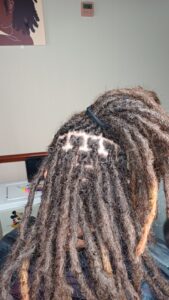
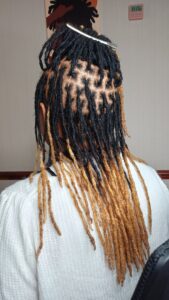
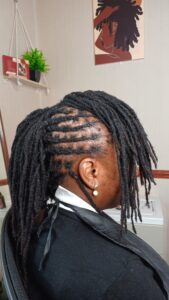




A starter loc appointment is a substantial commitment of time. Plan for the day, eat beforehand, bring water and snacks.
Consultation (first 15–30 minutes). Your loctician will discuss the method, the parting pattern, the size of locs, and any aftercare instructions. This is your moment to ask questions — about their experience with your hair texture, which products they recommend, and how often you’ll need to return for retwists.
Sectioning and parting. The full head is parted into the grid pattern your locs will follow. This determines loc thickness and overall density. Most locticians use a triangular or square parting depending on the look you want.
Installation. The chosen method is applied section by section. This is the longest part of the appointment — typically 4–8 hours for traditional locs, longer for finer styles. Most locticians work through the head systematically; some have a TV or music to fill the time.
Final styling and aftercare brief. Once every loc is installed, your loctician will style the finished look and give you aftercare instructions: when to wash next, what products to use, what to avoid (heavy oils, wax-based products, manipulation), and when to come back for your first retwist.
The first 4 weeks. Avoid washing for the time your loctician recommends (usually 2–4 weeks). After the first wash, locs may look frizzy or unsettled — this is normal and part of the budding phase. Don’t panic; don’t try to retwist them yourself.
Get found by clients actively searching for what you do.